







Search Results for: reducing sugars
A Comprehensive Analysis of the Pros and Cons of Coffee Drinking: Ingredients, Benefits, Risks of Overconsumption, and Precautions for Six Groups of People
Coffee is a drink many people can't do without every day, but what exactly are its positive and negative effects on the body? This article starts with coffee's main components, systematically sorting out the effects of substances such as caffeine, tannic acid, fat, and sugar, then separately explains the benefits of drinking coffee in moderation, including refreshing the mind, protecting the skin, sobering up, and preventing gallstones, while also discussing problems that may be caused by excessive intake, such as caffeine poisoning, insomnia, and anxiety. The article also specifically lists six groups of people who should not drink much coffee, and gives reminders about drinking on an empty stomach and for people with high blood pressure. If you care about the relationship between coffee and health, this content can serve as a fairly complete reference. [more…]
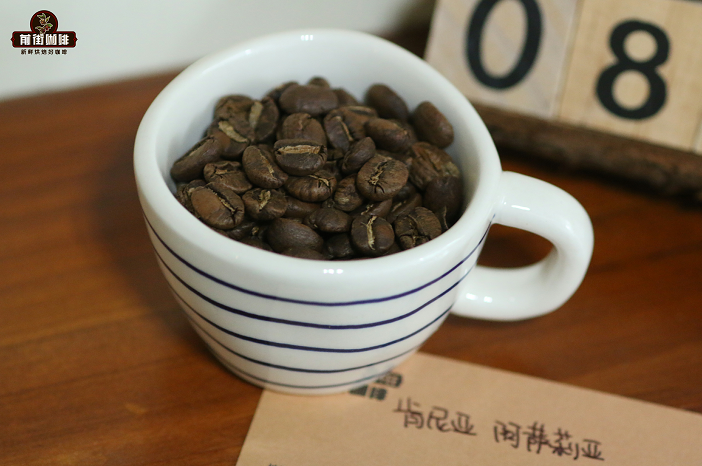
Kenya Coffee Characteristics | What Coffee Varieties Are Grown in Kenya? How to Make Pour-Over Black Coffee with Washed Kenya AA, and How to Describe the Coffee Flavor?
Front Street Coffee: Kenya Asaliya Coffee Beans Region: Kenya, Thika Region, Asali Processing Plant Altitude: 1550-1750m Processing Method: Washed Variety: SL28 & SL34 Flavor: Snow Pear, Smoked Plum, Yellow Sugar [more…]
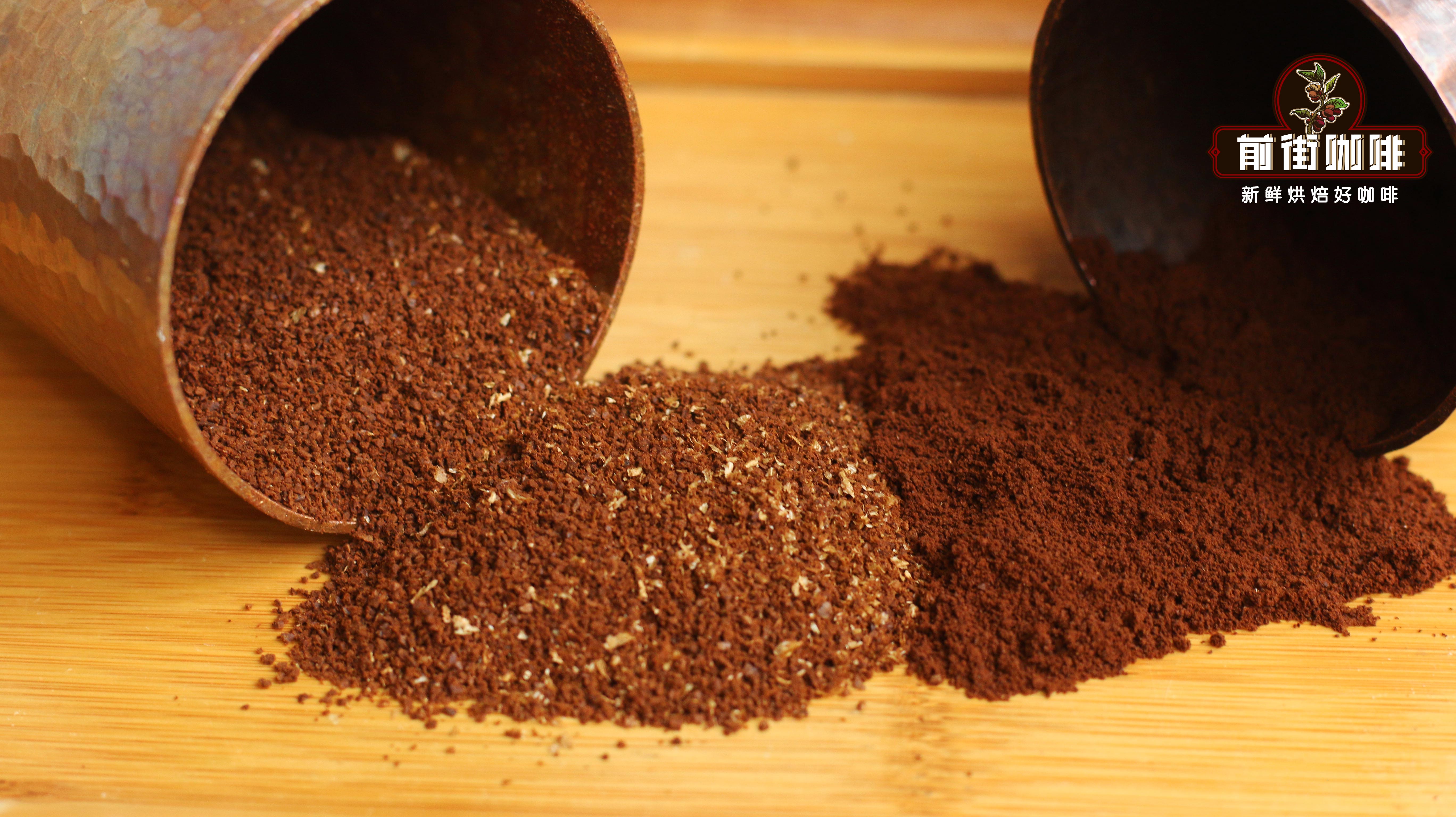
Coffee Grind Size Parameters | Pour-Over, Cold Brew, Ice Drip, Moka Pot – How Fine Should Coffee Grounds Be? A Guide to Using the Common Coffee Grind Size Reference Chart
"Excuse me, what grind size should I use for pour-over coffee?" "Why is the grind at setting 10 on your machine different from setting 10 on mine?" "When you say 'sugar-like,' do you mean caster sugar, granulated sugar, or brown sugar?" ... Are you still struggling to find the right grind size for your coffee brewing device? Front Street has an article to [more…]

How to choose coffee beans with strong sweetness: pick flavors by roast level
To drink coffee with a more pronounced sweetness, roast level is a very practical starting point. Light roasts lean toward fruity, floral, and honeyed notes; medium roasts commonly show caramel, nutty, and ripe-fruit sweetness; medium-dark roasts are more like dark chocolate, roasted nuts, or syrup. Sweetness doesn't mean there's no acidity—rather, it's what lingers in the mouth both as you sip and after you swallow. [more…]
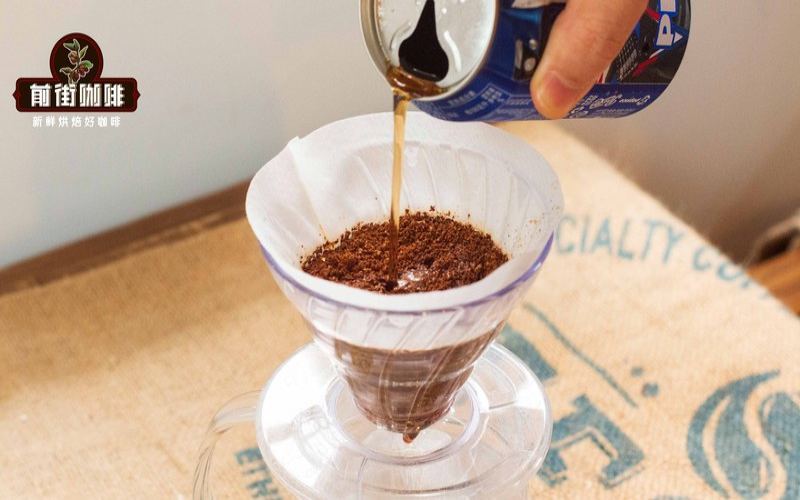
Let Fruit and Sweetness Land in the Cup: A Guide to Roast Levels for Pour-Over Beans
If you want to brew a pour-over coffee with clear sweetness and noticeable fruity aromas, roast level is a very useful screening clue. It affects how well the beans retain their aroma, how the acidity expresses itself, and the body of the cup, and it also determines how much force you need during brewing. Light roasts are lighter and brighter, while medium roasts are rounder and fuller—choose the right direction, and the fruity notes and sweetness will come through more easily [more…]
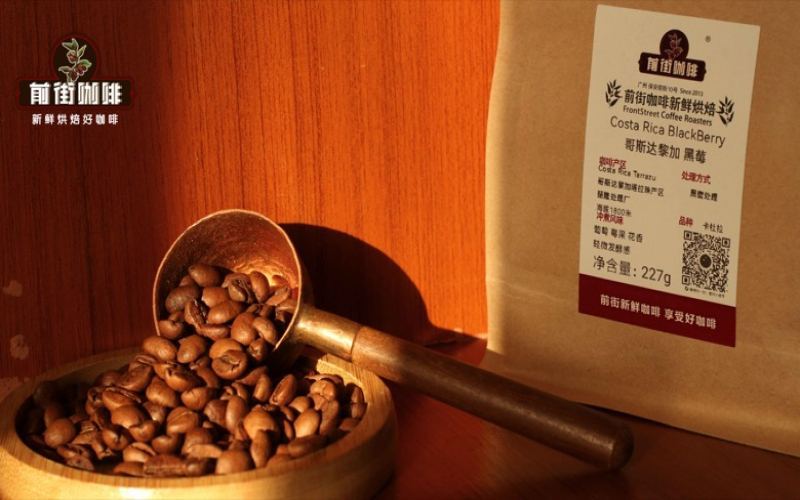
Coffee Beans with Prominent Sweetness: Where Does the Sweetness Come from Without Adding Sugar?
The sweetness in coffee isn't from added sugar, but from the sugars inherent in the beans expressing themselves through roasting and extraction: washed and medium-dark roasts show the most pronounced sweetness. Front Street Coffee's Colombia Higuito has a sweetness with juicy characteristics, balancing the sweet-tart notes of passion fruit and grape; while the Panama Emerald Estate Red Label's sweetness is delicate and lingering, hiding within the black tea's returning sweetness [more…]
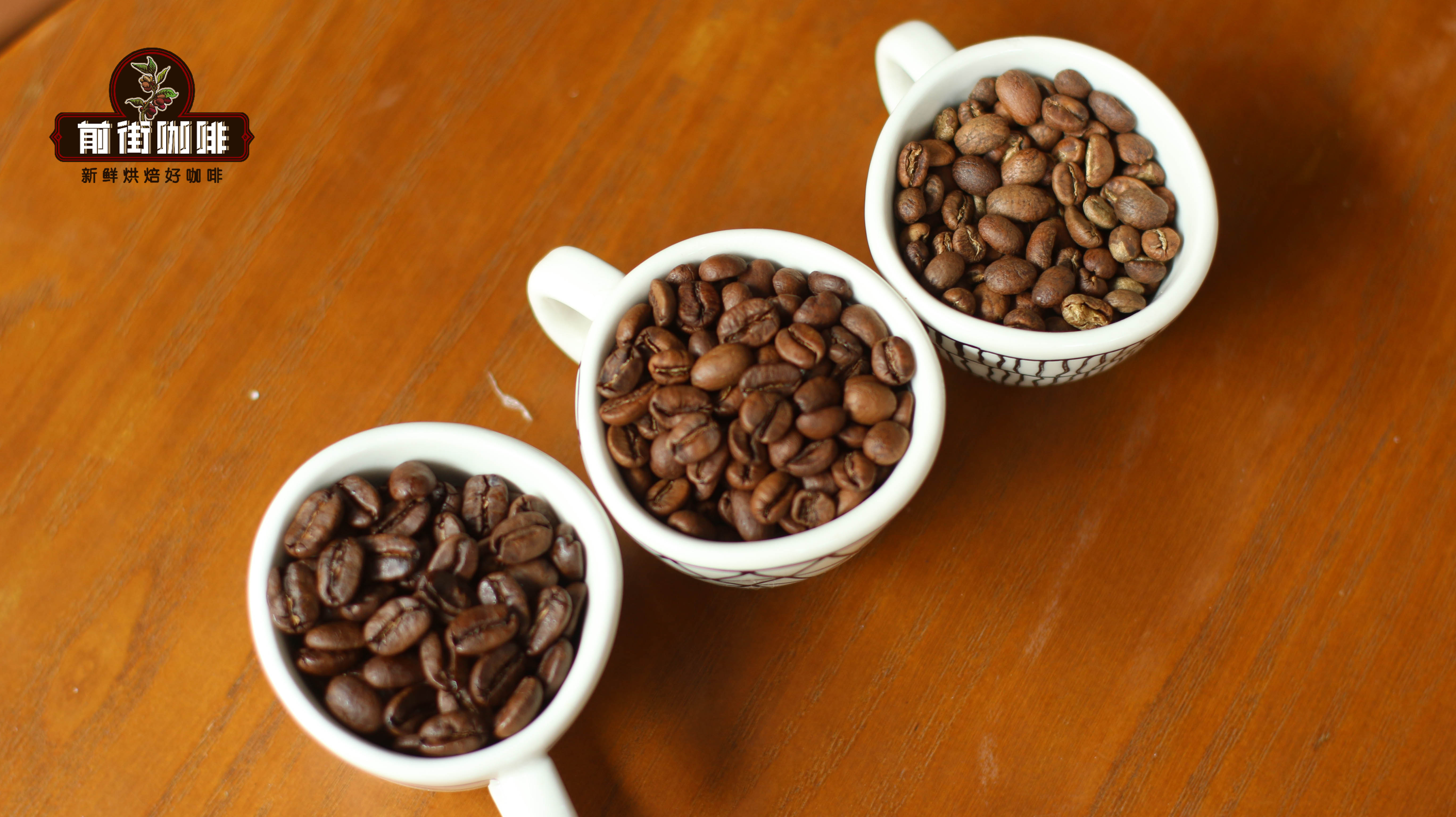
Jamaican Blue Mountain Brewing | Is deep-roasted coffee beans good for pour-over coffee? What are the high-quality pour-over dark-roast single-origin beans favored by seasoned coffee enthusiasts?
The roasting levels of coffee beans are divided into many types, and in specialized terminology the roasting levels mentioned can even be subdivided into eight stages, but in daily life we only need to summarize them into three: light roast, medium roast, and dark roast. Dark-roasted coffee beans can provide a large amount of mellow flavor and caramel aroma, because the longer the dark roasting time [more…]
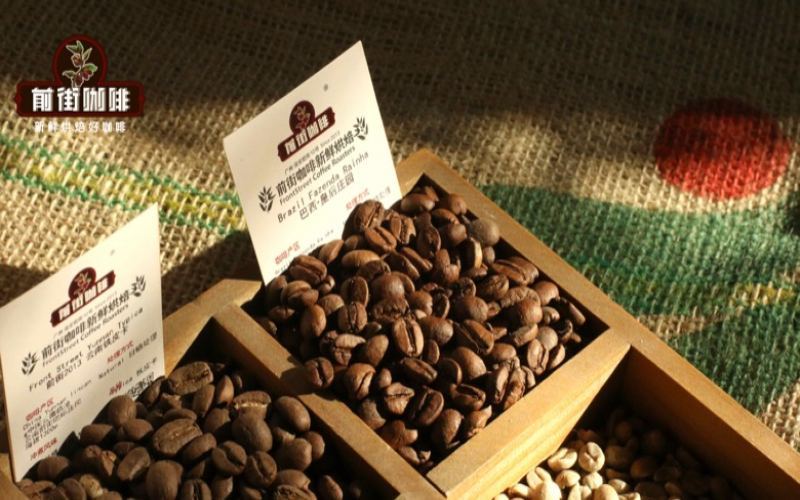
Brewing Brazilian and Colombian coffee with a moka pot: how to pair the nutty sweetness
Brazil and Colombia both work well in a moka pot for expressing nutty and sweet notes, but the flavor focus of the two is not the same. Brazil commonly shows hazelnut, peanut brittle, caramel, and cocoa, with a rounded mouthfeel, making it suitable as a substantial base; Colombia often carries brown sugar, caramel, ripe fruit, and a soft citrus note, which can give the brewed coffee more [more…]
Malaysian White Coffee Flavor Characteristics and Ingredient Differences: A Comprehensive Analysis from Its Ipoh Origins to Health Benefits
White coffee is a highly representative traditional specialty of Malaysia, with a history spanning over a century. It is not white in color; rather, it is made from three types of coffee beans—Liberica, Arabica, and Robusta—subjected to medium-light low-temperature roasting and special processing that greatly reduces caffeine, burnt bitterness, and astringency, resulting in a pale milky-golden hue and a mellow, gentle flavor. Compared with black coffee, white coffee differs fundamentally in bean selection, roasting methods, and brewing techniques; it contains no trans fats, has lower caffeine and calories, is gentler on the stomach, and does not easily turn sour after cooling. This article will systematically outline the flavor components, processing characteristics, historical origins, health benefits, and brewing methods of white coffee, offering you a comprehensive understanding of this classic Nanyang coffee. [more…]
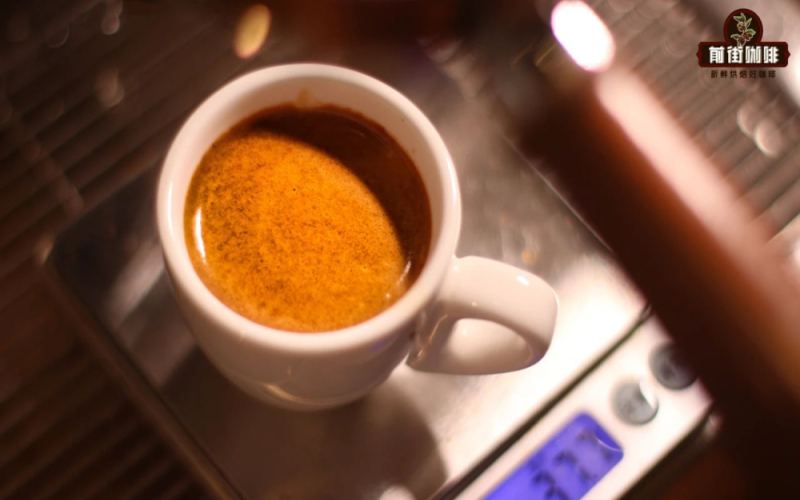
Characteristics of Decaf Coffee Beans | Where Does Decaf Coffee Come From? What's the Difference Between Decaf Coffee and Regular Coffee? How Is Caffeine-Free Coffee Made?
As people pursue health, many drinks marketed as sugar-free and low-fat have appeared in everyone's life. Coffee, as one of the world's three major beverages, is naturally no exception, and low-caffeine coffee has also been introduced, namely the decaf coffee commonly seen in coffee shops today. So what are the characteristics of decaf coffee? Then [more…]
Espresso Brewing Ratio | Must Espresso Use a Blend? How Do Beginners Blend Espresso Beans?
Front Street Coffee uses espresso blend coffee beans to enhance the richness and balance of flavors, but it is not absolutely necessary. There is also the SOE coffee approach now, which uses coffee beans from a single origin to make espresso, highlighting the coffee of that origin. [more…]
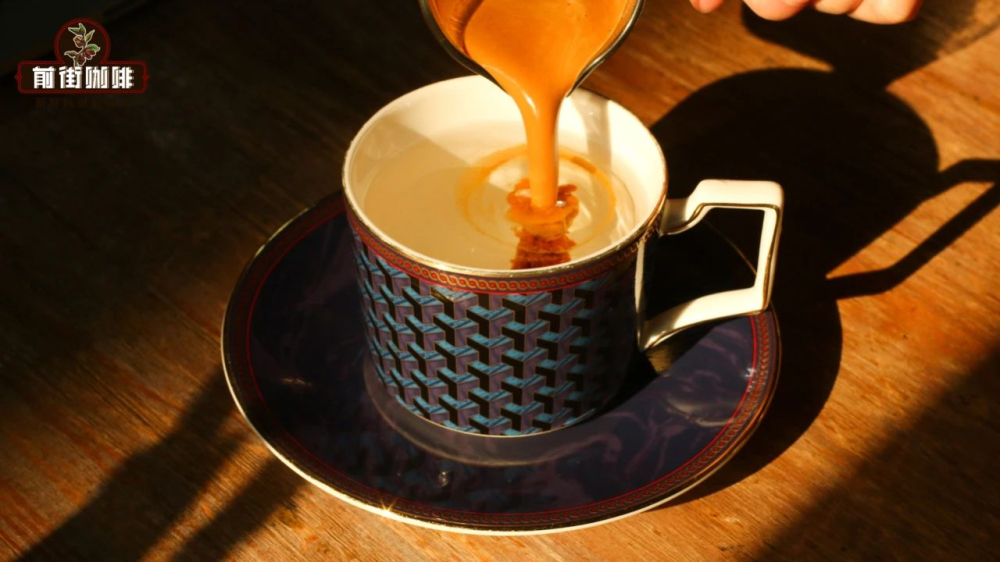
Americano Brewing Guide | Why Is Americano So Popular? What's the Difference Between Hot and Iced Americano? Can You Add Sugar and Milk to Americano?
Americano has become the drink of choice for many young people. A cup of Americano after a meal can not only cut through greasiness and aid digestion, but also effectively break down fat; combined with proper exercise, it can help with weight loss, which is why Americano has also become the coffee drink of choice for many celebrities. Front Street Coffee (FrontStr [more…]
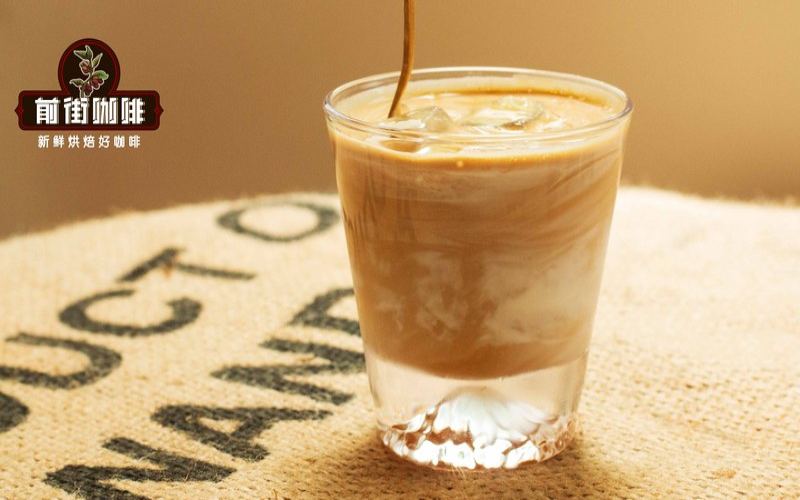
Medium-roast pour-over beans recommendation: choose flavors along the roast level
Medium-roast coffee beans are not an option with just a single flavor. As the roast goes lighter, the cup retains clearer floral notes, fruity acidity, and a tea-like quality; as it goes darker, it gains caramel sweetness, nuttiness, and more body. Using roast level as a filter lets you first determine the general character of a cup of coffee before looking at origin and flavor description. [more…]

Choosing Beans for a Moka Pot by Roast Level: A Flavor Guide from Crisp to Rich
Coffee brewed with a moka pot is usually higher in concentration, with concentrated aromatics and a heavier mouthfeel than filter coffee. The roast level of the coffee beans determines whether this little pot ultimately leans toward bright fruit acidity or rich nutty and cocoa notes. When choosing beans, first consider whether you want a crisp black coffee, a balanced everyday drink, or a full-bodied [more…]
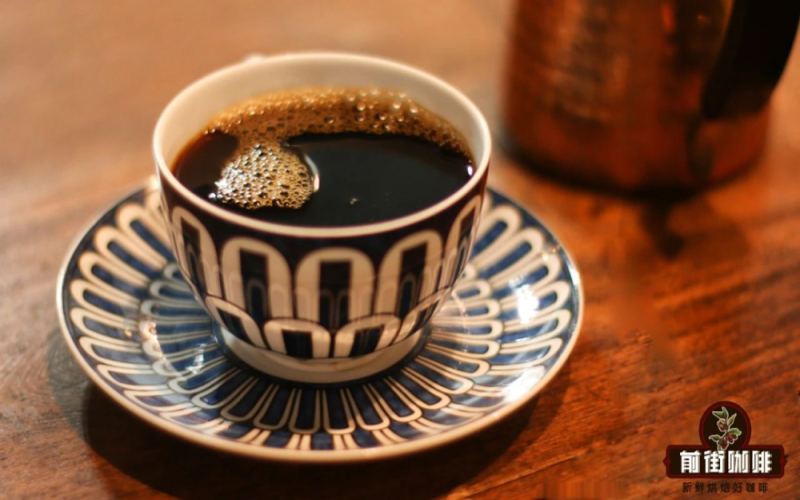
Specialty Dark Roast Coffee Bean Recommendations | How to Roast Golden Mandheling Green Coffee Beans? Introduction to the Flavor and Mouthfeel Characteristics of Golden Mandheling Black Coffee Brewed with the Three-Stage Pour-Over Method
Mandheling coffee beans mainly exhibit a rich mouthfeel and a sweet, caramel-like flavor with a pleasant bitterness. Therefore, they are generally dark roasted. Taking Front Street's Golden Mandheling coffee beans as an example, before roasting Golden Mandheling, Front Street will roughly determine the roasting direction based on the growing information. The Golden Mandheling coffee beans are grown at an altitude of 1100–1 [more…]
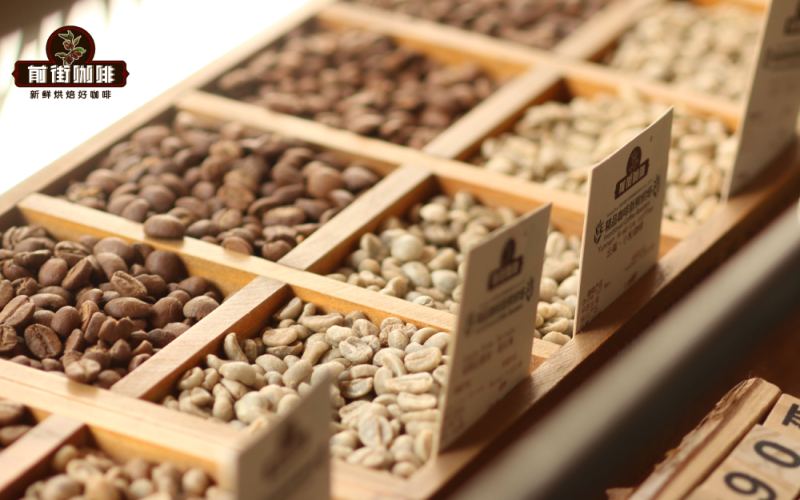
Coffee Processing Methods | Wet-Hulled, Semi-Washed, Honey Process, Pulped Natural — Detailed Steps, Flavor and Mouthfeel Comparison of Coffee Beans
We all know that different processing methods can give coffee a rich and varied flavor profile. For example, Front Street Coffee's bean list alone features dozens of varieties, covering more than ten different processing methods. Today, Front Street will focus specifically on wet-hulled, semi-washed, and pulped natural [more…]
Immersion Coffee Extraction | How to Brew Cold Brew Coffee So It Tastes Good? What Is the Flavor of Cold Brew Coffee? Which Coffee Beans Are Suitable for Brewing Cold Brew Coffee?
In recent years, with the strong promotion of the specialty coffee industry in Europe and America as well as Starbucks, Cold Brew has become a popular contender in the iced coffee world. On a scorching summer day, you can not only go to a beautiful coffee shop to enjoy a cup, but also brew a batch at home yourself, which has become a stylish and relaxing new coffee choice. Cold brew coffee [more…]
A can of cold brew: flavor differences from light to dark roast
The home method for cold brew coffee is not complicated; what truly shapes the final style is often the roast level of the coffee beans. Steeped in cold water the same way, light roasts tend to leave bright fruity acidity and aroma, medium roasts come across sweeter and smoother, and dark roasts have pronounced cocoa, nutty notes, and a heavy body. To make a jug of cold brew that suits your taste, [more…]
How to Choose Sun-Dried Coffee Beans by Roast Level
Natural (dry) processing makes coffee beans more likely to showcase ripe fruit, fruit jam, and fermented sweetness, but whether the final cup tastes bright or rich still depends on the roast level. A light roast leans toward floral notes and fruity acidity, making it suitable for pour-over and iced coffee; a medium roast is rounder, with a more balanced sweetness and body; a medium-dark roast has more pronounced caramel, cocoa, and a heavy [more…]
For beginners buying pour-over beans, choose according to roast level.
The roast level of pour-over coffee beans determines whether the flavor leans more toward floral and fruity, tea-like notes, or nuts, cocoa, and caramel. For those just starting to brew coffee at home, looking first at light, medium, or dark roast makes it easier to build judgment than fixating solely on origin names. Roast level does not represent a quality grade; rather, it helps you anticipate the flavor profile. [more…]